Bathroom Tiles: A Complete Guide to Selection
Written by
Sophia
Published on
January 9, 2026
Reading Time
5 min read
Introduction to Bathroom Tiles
Bathroom tiles are more than a surface— they set the tone for style, durability, and upkeep in one of the home's most used spaces. Whether you are renovating a compact ensuite or a large family bathroom, choosing the right bathroom tiles involves understanding material properties, installation methods, and ahead-of-time maintenance. This guide provides evidence-based guidance to help homeowners, designers, and contractors select tiles with confidence, while aligning with professional standards for safety and longevity.
Understanding Tile Materials
Ceramic vs Porcelain
Ceramic and porcelain tiles are both made from clay, but porcelain is fired at higher temperatures and contains more dense materials, resulting in lower water absorption and greater durability. Porcelain is generally preferred for wet areas, floors, and high-traffic zones due to its hardness and resistance to staining. Ceramic tiles are a cost-effective option for walls and backsplashes, offering a wide range of colors and patterns. When selecting bathroom tiles, consider water absorption rates, abrasion resistance, and wear ratings to ensure the product meets your climate and usage needs.
Natural Stone and Glass
Natural stone (such as marble, granite, or travertine) adds luxury and unique veining but requires careful maintenance, sealing, and periodic resealing to protect against moisture and staining. Glass tiles provide light diffusion and a modern look, often used as accent walls or shower enclosures. They are non-porous but can require extra care to avoid soap scum buildup. For busy family bathrooms, pair natural stone with high-quality sealants or choose engineered stone alternatives to balance beauty with maintenance.
Other Considerations
Rectified edges allow for thinner grout lines and a sleek, seamless appearance, while textured or patterned tiles can add grip and visual interest. When evaluating materials, check water absorption, slip resistance (critical for floor tiles), and warranty coverage. Always review manufacturer specifications and seek guidance from a licensed installer to ensure compatibility with your climate and plumbing setup.
Size, Pattern, and Layout
Tile size influences perceived space, installation time, and grout maintenance. Large-format tiles can make small bathrooms feel more open and reduce grout lines, while mosaic or small-format tiles offer grip and intricate design possibilities in showers or alcoves. Consider laying patterns (straight, diagonal, herringbone) and alignment with the room’s natural light. In damp zones, plan for adequate slopes and proper waterproofing substrate to prevent long-term damage.
Color, Finish, and Grout
Light-colored tiles can brighten bathrooms with limited natural light, while darker tones create drama or hide minor grime. Matte finishes reduce glare and slip risk, whereas glossy finishes enhance reflectivity and perceived space. Grout color matters: matching grout minimizes visual lines and makes tiles read as a continuous surface, while contrasting grout can highlight patterns and add depth. Use stain-resistant, mold-resistant grout in wet areas and consider epoxy grouts or cement-based grouts with sealing agents for longevity.
Installation, Waterproofing, and Maintenance
Professional installation ensures proper substrate preparation, waterproofing, and tile setting. Key steps include inspecting the substrate for flatness, applying a suitable waterproof membrane in shower pans and walls, using flexible sealants around transitions, and allowing correct curing times. Maintenance varies by material: porcelain and ceramic are relatively low-maintenance with routine cleaning, natural stone requires periodic sealing, and glass tiles need careful cleaning to avoid streaks. Regular cleaning, prompt removal of soap scum, and resealing stone surfaces every 1–3 years (depending on usage) help preserve appearance and durability.
Cost, Durability, and Value
Tile cost ranges widely based on material, size, and finish. While ceramic tiles may be economical, porcelain offers superior durability for floors and showers. Natural stone delivers luxury but incurs higher ongoing maintenance. Glass tiles add style but can be more expensive and require careful installation. Consider total cost of ownership: material price, underlayment, waterproofing, installation labor, and future maintenance. Investing in high-quality tiles with a proper waterproofing system typically yields better longevity and resale value.
Comparable Tile Types: Quick Reference
| Tile Type | Pros | Cons | Maintenance | Typical Price / sq ft |
|---|---|---|---|---|
| Ceramic | Affordable, wide range of colors/patterns | Less durable on floors, lower water resistance than porcelain | Low; routine wipe-down; reseal rarely needed | $1–$5 |
| Porcelain | High durability; excellent moisture resistance | Higher cost; heavier; installation requires skilled tradesperson | Low; easy to clean; reseal typically unnecessary | $3–$12 |
| Natural Stone | Elegant, timeless patterns; unique veining | Porous without sealing; requires maintenance; varies by stone | Sealing; periodic resealing; careful cleaning | $5–$40 |
| Glass | Reflects light; modern, bright look | Can be slippery; chipping in high-traffic areas | Easy to clean; rarely needed sealing | $7–$40 |
Design Ideas and Practical Tips
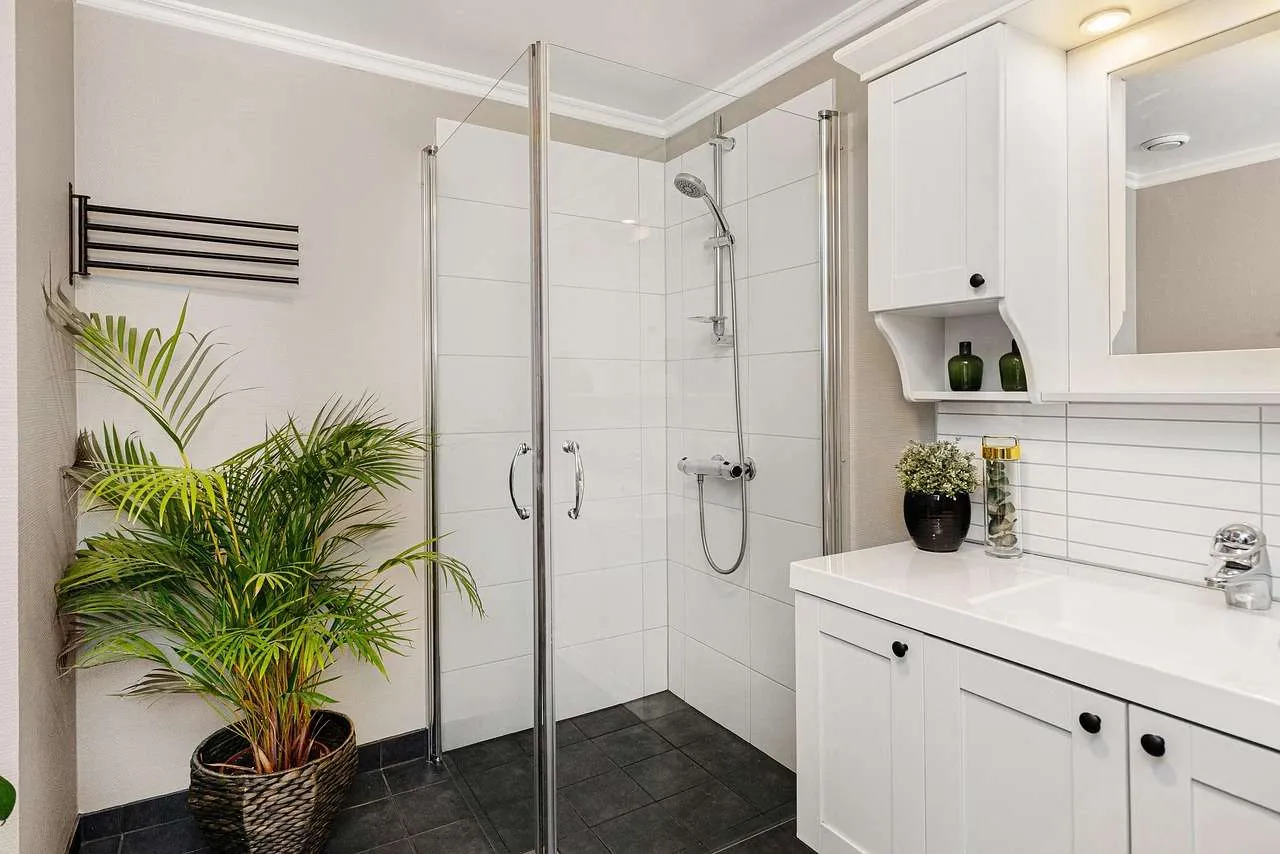
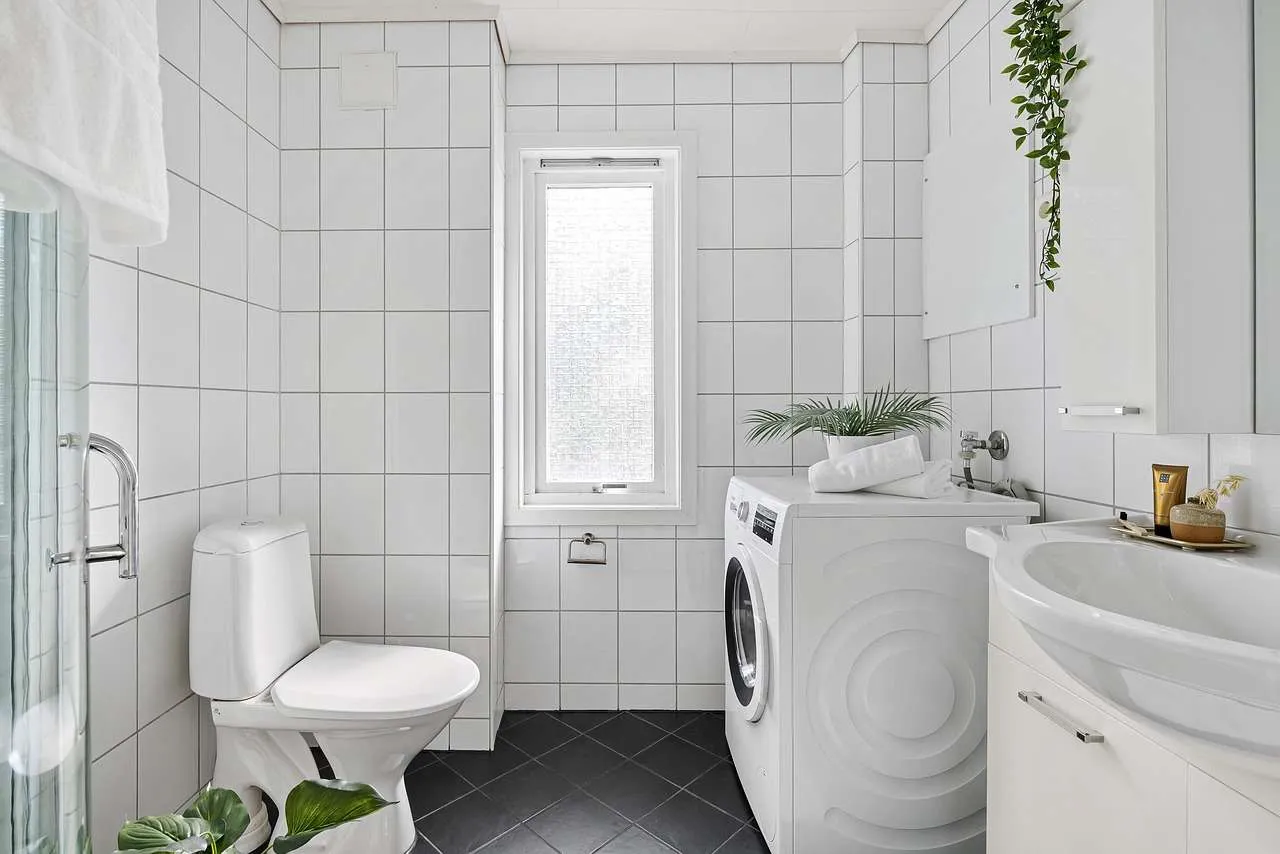
For small bathrooms, use light-toned ceramic or porcelain tiles on walls and floors to reflect light and create a sense of openness. Consider a single accent wall in a bold color or patterned tile to add character without overwhelming space. In showers, a cohesive tile run from floor to ceiling with a slip-resistant finish enhances safety and aesthetics. Use matching grouts for a seamless look, or introduce a contrasting grout shade to emphasize tile patterns. Always balance visual appeal with practical maintenance, especially in areas prone to moisture and soap scum buildup.
Expert Guidance and Compliance
EEAT principles—expertise, authoritativeness, and trustworthiness—apply to tile projects through careful material selection, adherence to building codes, and transparent communication with clients. Work with licensed installers, confirm warranty terms, and request product data sheets and installation manuals. Document your choices, including substrate preparation, waterproofing strategy, and grout types, to facilitate future maintenance and potential renovations.
Summary
Conclusion, bathroom tiles should be chosen based on material performance, space, budget, and maintenance capacity. Porcelain offers durability for floors and wet areas, ceramic provides cost-effective wall versatility, natural stone delivers luxury with care, and glass adds brightness when used thoughtfully. Pair solid installation with appropriate waterproofing, select patterns and grout colors that suit the space, and maintain tiles regularly to maximize longevity and value.