Bathroom Tile: Styles, Tips, and Trends
Written by
Jacob
Published on
January 9, 2026
Reading Time
3 min read
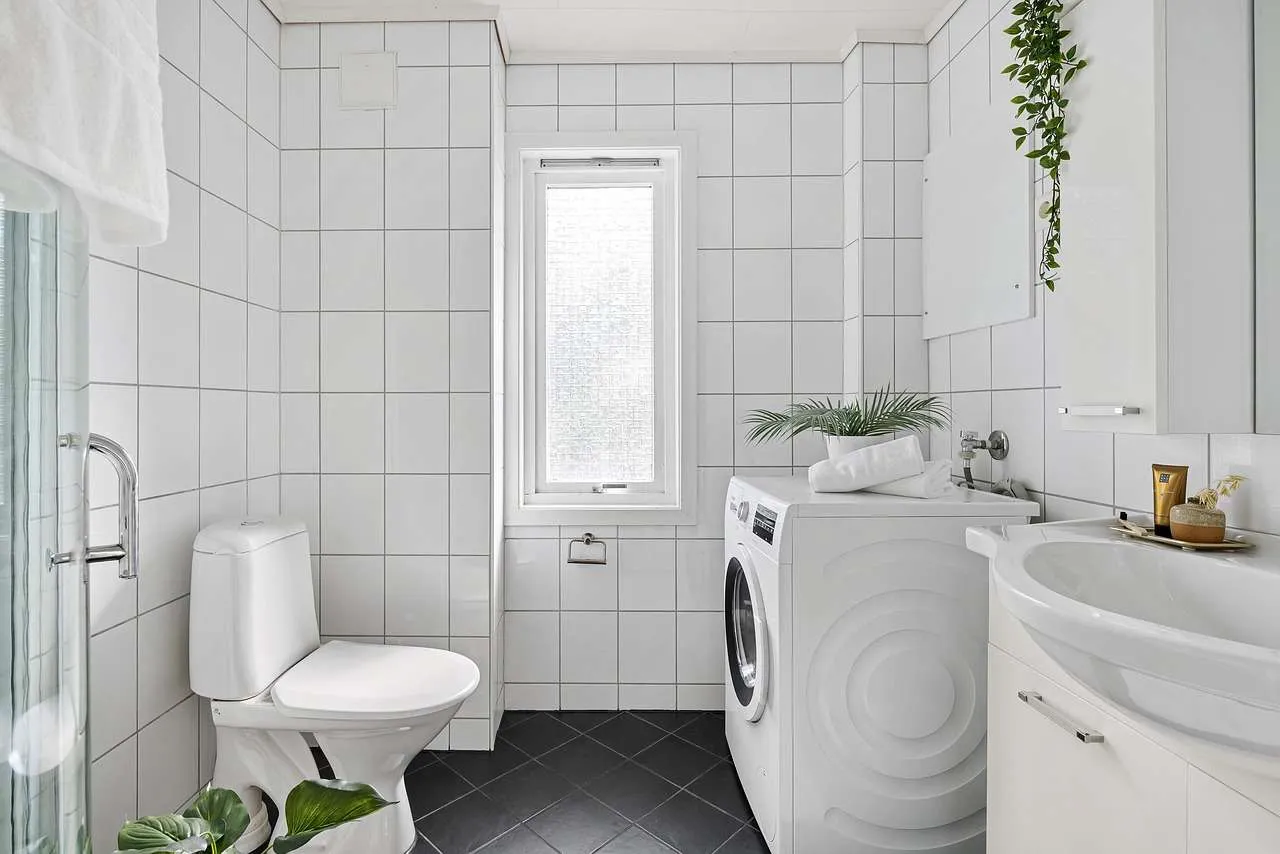
Choosing bathroom tile sets the tone for durability, style, and ease of maintenance. This guide draws on professional installation standards and current trends to help homeowners select bathroom tile with confidence.
Understanding bathroom tile materials
Ceramic tile
Ceramic tile is versatile and affordable. Glazed ceramic tiles resist stains and are easy to clean, making them popular for walls and low to moderate traffic floors.
Porcelain tile
Porcelain is denser and less porous than standard ceramic. It performs well in wet areas, offers advanced print designs, and comes in both wall and floor formats.
Natural stone tile
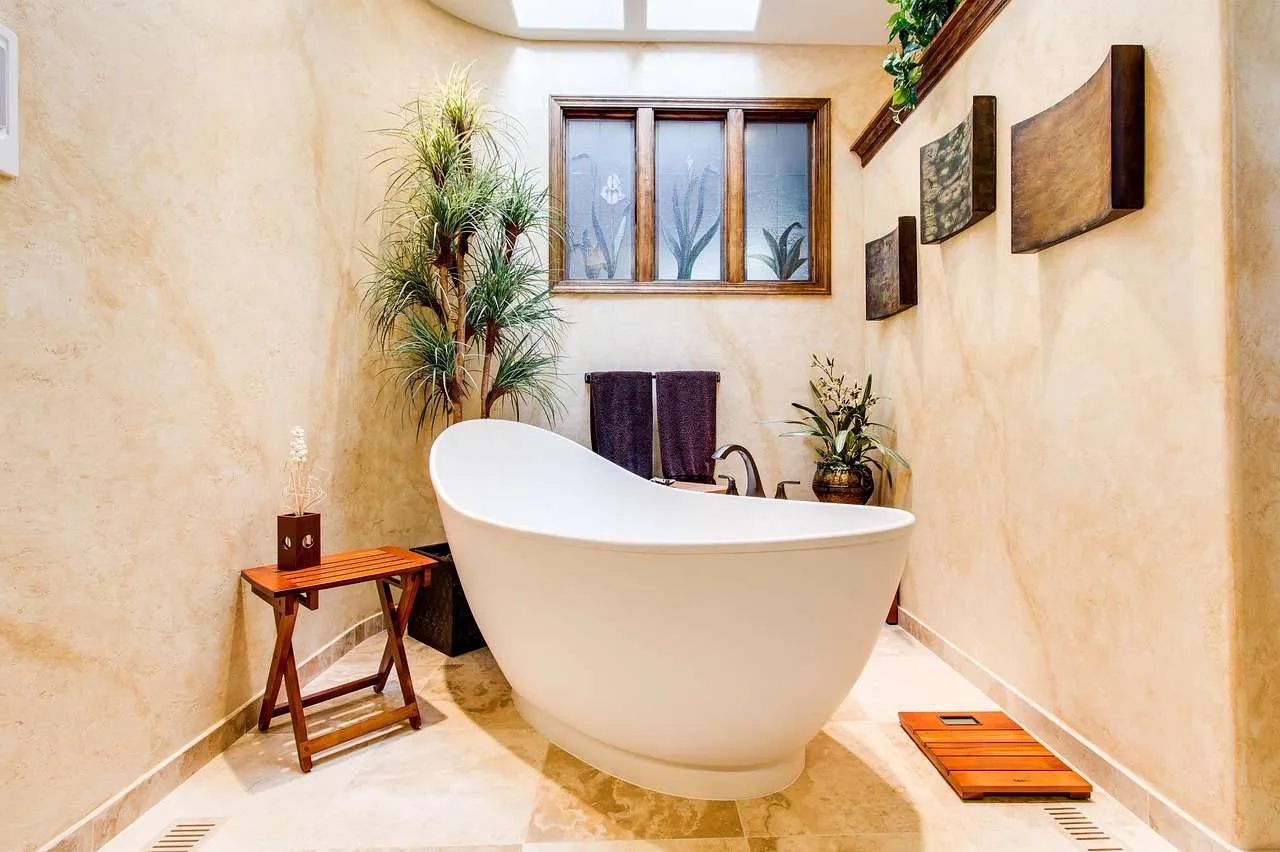
Natural stone such as marble, travertine, or slate brings luxury but requires proper sealing and maintenance to protect against moisture and staining.
Glass and specialty tiles
Glass tiles add reflectivity and color accents but can be slippery when wet. They are often used as backsplashes or decorative borders.
Size, layout, and color trends
Large format and rectified tiles
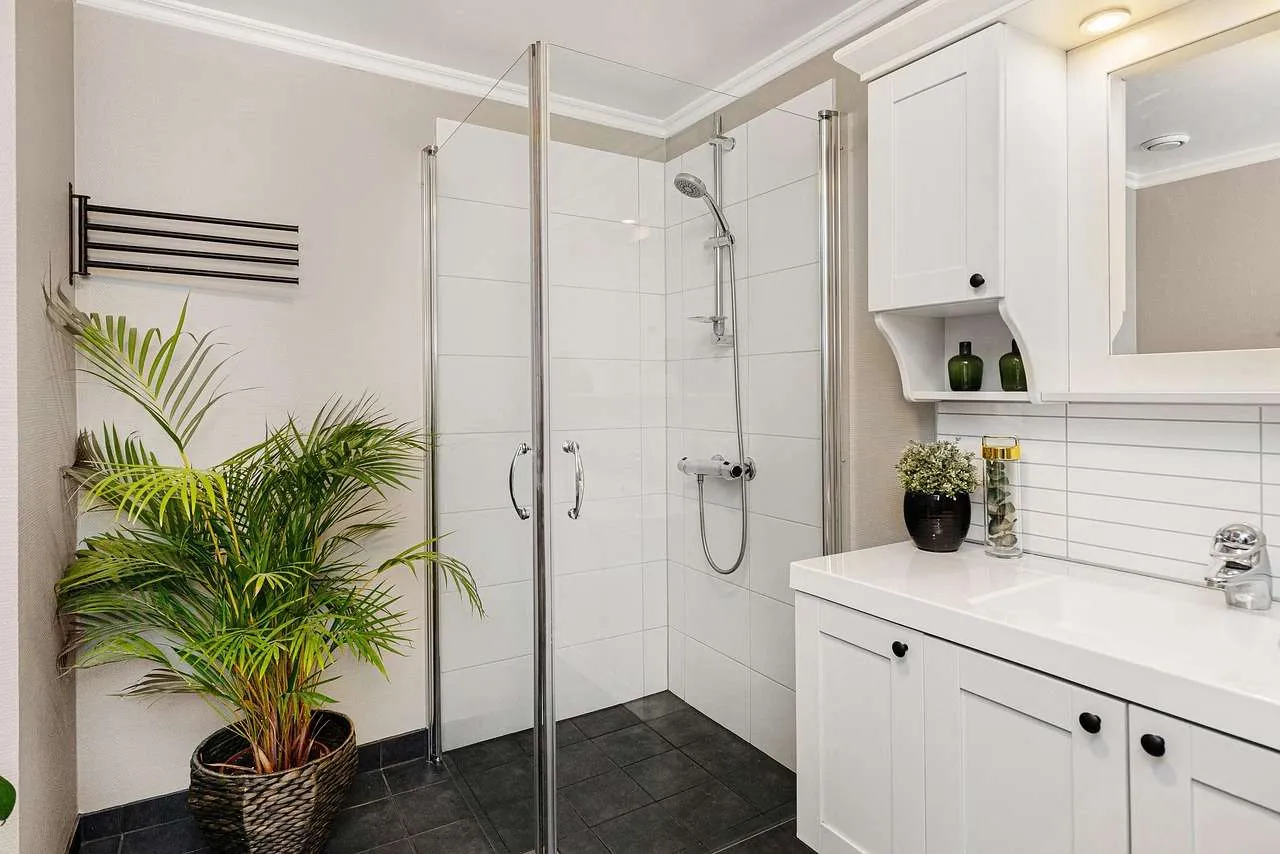
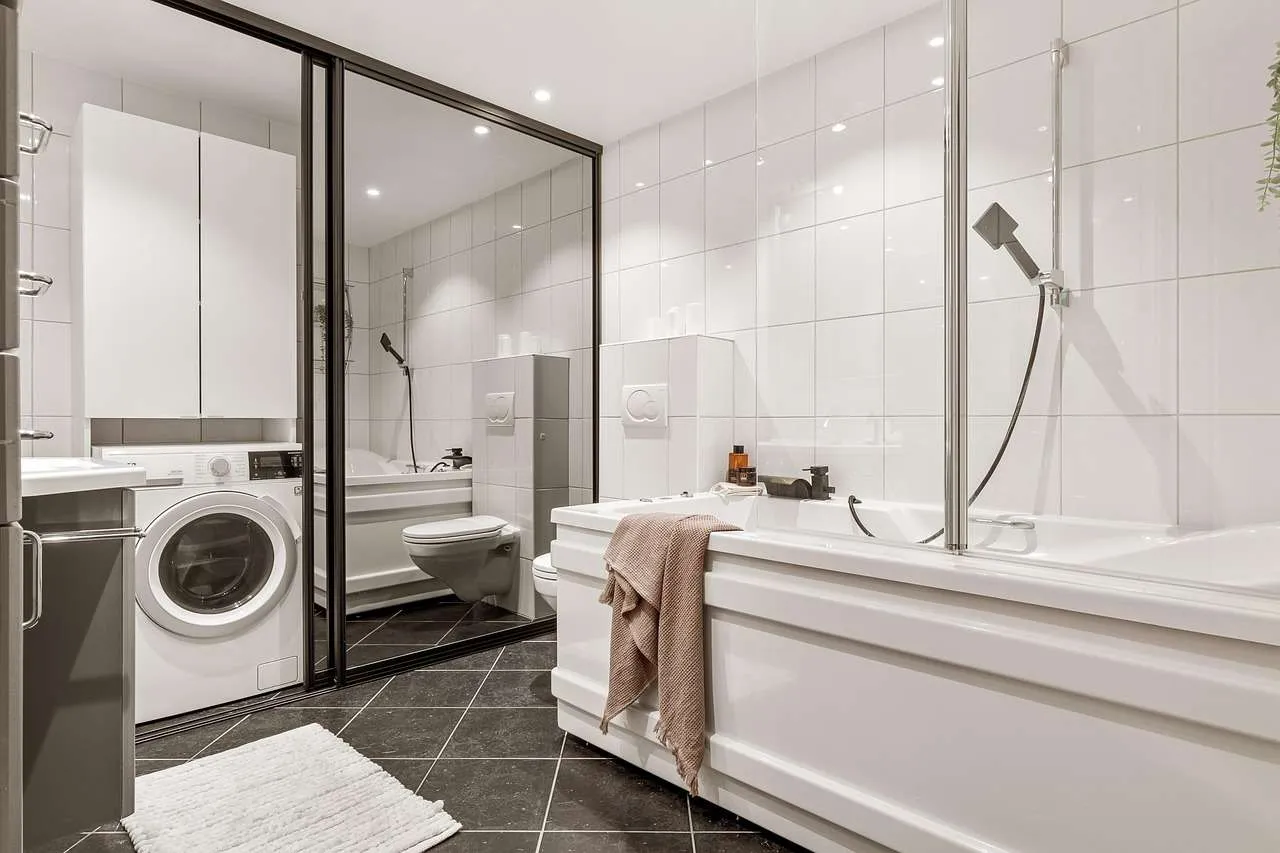
Large format tiles reduce grout lines and can create seamless looks in showers and floors.
Mosaics and decorative patterns
Mosaic sheets and decorative patterns offer texture and visual interest, especially in shower niches and floors with slip resistance considerations.
Grout choices and color
Grout conceals or highlights tile joints. Lighter grout can brighten a space; darker grout hides dirt and shows less staining on larger tiles. sealing is essential for stone and some cement tiles.
Durability, maintenance, and installation tips
- Prepare a stable substrate with appropriate waterproofing and sound underlayments.
- Acclimate tiles to room conditions before installation to prevent cracking.
- Use appropriate thinset mortar and grout for the tile type and area.
- Seal natural stone and cement tiles to protect against moisture and stains.
- Regular cleaning with nonabrasive cleaners preserves color and finish; avoid harsh chemicals on stone.
Cost considerations and where to buy
Tile costs vary by material, size, and brand. Ceramic and porcelain tiles tend to be more affordable; natural stone and glass can be premium options. Budget for substrate, waterproofing, and professional installation if needed, as labor often accounts for a large portion of the total.
Tile comparison at a glance
| Tile Type | Best For | Durability | Maintenance | Pros | Cons |
| Ceramic | Walls and floors | Moderate | Low | Affordable, versatile | Less water resistant on floors |
| Porcelain | Wet areas, floors | High | Moderate | Very durable, water resistant | Can be harder to cut |
| Natural stone | Showers and accents | Variable | High | Luxurious look | Requires sealing |
| Glass | Backsplashes and accents | Moderate | Moderate | Reflective, vibrant | Slippery when wet, costly |
| Cement | Bold patterns | High | Moderate | Industrial style, durable | Porous unless sealed |
When planning your bathroom tile project, consult with a licensed installer or designer to ensure proper substrate, waterproofing, and ventilation. Reading product data sheets and warranty terms can protect your investment and ensure long term performance.
Summary: By understanding tile materials, choosing the right sizes and layouts, and balancing durability with design, you can achieve a bathroom that remains stylish and resilient for years. Prioritize waterproofing, appropriate grout and sealant, and professional installation to maximize EEAT outcomes and satisfaction.