Window Tint for Home: Energy Savings and Privacy
Written by
Amelia
Published on
January 9, 2026
Reading Time
3 min read
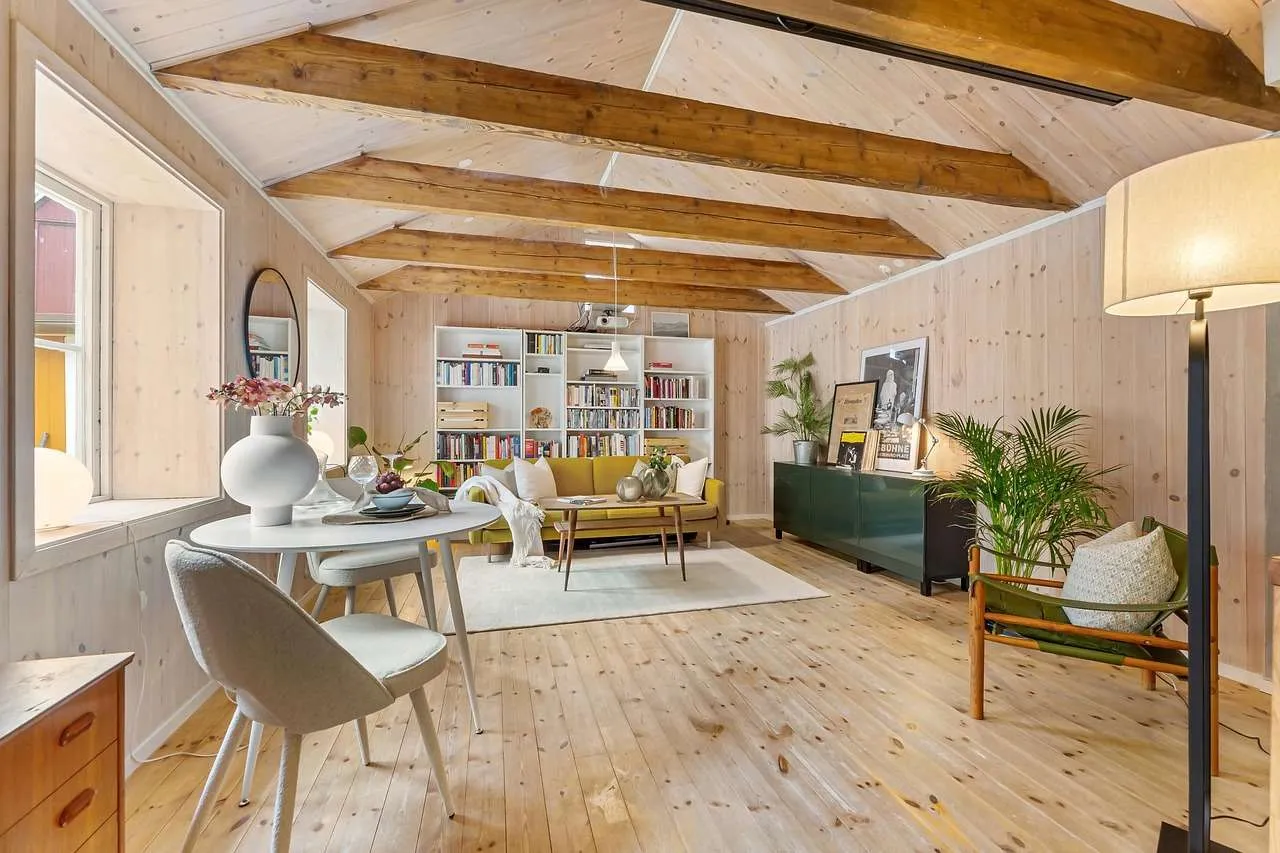
Choosing window tint for home is about balancing energy savings, comfort, privacy, and curb appeal. Whether you live in a sun-drenched climate or a high-traffic urban area, the right tint can reduce glare, lower cooling costs, and protect furnishings from UV damage. This guide covers what window tint for home is, the options available, how to select the best film, and what to expect during installation.
What is window tint for home?
A window tint for home is a thin film applied to interior or exterior glass that reduces sunlight, blocks UV rays, and improves insulation. Modern residential films use ceramic or non-metallic technologies that minimize heat transfer while preserving natural color and visibility.
Benefits of window tint for home
- Energy savings: Less solar heat gain means your air conditioner runs less, especially on east- and west-facing windows.
- UV protection: Blocks up to 99% of UVA/UVB to protect furniture, flooring, and skin.
- Privacy and glare control: Improves daytime privacy while reducing screen glare.
- Safety and security: Some films help hold shattered glass together in break-ins or accidents.
- Aesthetics and durability: Maintains view with minimal color distortion and resists fading.
Types of window tint for home
Residential window films fall mainly into dyed, metalized, ceramic, carbon, and reflective categories. Each type offers a different balance of heat rejection, appearance, and price. When choosing, consider your climate, window orientation, and whether you use devices that might be affected by metalized films。
Dyed window film
Pros: Budget-friendly; reduces glare and provides a neutral appearance. Cons: Can fade over time and offers moderate heat rejection.
Metalized and hybrid films
Pros: Excellent heat rejection and durability. Cons: Can interfere with electronics and cause a visible stripe effect on curved windows.
Ceramic and carbon films
Pros: Superior heat rejection; non-conductive and non-reflective; durable. Cons: Higher upfront cost but better long-term savings.
Reflective or mirrored films
Pros: High glare control and daytime privacy; distinctive aesthetics. Cons: Can darken interiors, and may be restricted by local regulations or HOA rules.
How to choose the right window tint for home
Start by assessing climate and sun exposure. East- and west-facing windows gain more heat, so higher heat-rejection films are often worthwhile there. Check the film's UV rejection rating and visible light transmission (VLT) to balance privacy with natural light. Consider window type (single vs double pane) and whether you live in an area with strict HOA or local glass tint laws. Look for films backed by warranties and installed by trained professionals.
Installation and maintenance
Professional installation is recommended for the best results and to preserve warranties. The process typically includes measurement, window cleaning, film cutting, edge sealing, and final inspection. To maintain tint integrity, clean with non-ammonia solutions and soft cloths; avoid abrasive scrubbing or high-pressure washing around edges.
Cost, ROI, and warranties
Material costs vary by film type and size of your home. Typical ranges are roughly $5 to $15 per square foot installed, depending on film quality and professional labor. Expect a return from energy savings and furniture protection over time, plus warranties that span 5 to 15 years depending on the product and installer.
Comparison of common window tint types
| Tint Type | Heat Rejection | UV Blocking | Glare Reduction | Pros | Cons | Approx. Cost (per sq ft) |
|---|---|---|---|---|---|---|
| Dyed | Moderate | Good | Moderate | Budget-friendly; natural look | May fade; heat rejection limited | $2–$6 |
| Metalized | High | Excellent | High | Strong heat rejection; durable | May interfere with electronics; potential stripes | $4–$10 |
| Ceramic | Very High | Excellent | Very High | Best overall performance; non-conductive | Higher cost | $6–$15 |
| Carbon | High | Excellent | Good | Non-reflective; durable | Mid-to-high cost | $5–$12 |
| Reflective/Mirrored | High | High | Excellent | Strong daytime privacy; bold look | Can reduce interior light; may be restricted | $3–$9 |
Conclusion
Conclusion, window tint for home offers energy savings, UV protection, privacy, and enhanced comfort when chosen and installed correctly. Work with a licensed installer, verify film certifications, and ensure warranty coverage and local compliance. With thoughtful selection, you can enjoy a cooler, more private home without sacrificing natural light.